Postpartum Urinary System Incontinence: How To Manage Loss Of Bladder Control After Birth
Structured-content This can at some point bring about going down of the pelvic organs (called pelvic body organ prolapse) or incontinence. Urinary incontinence (UI) is the problem of uncontrolled loss of urine [1] The main subtypes of UI are stress and anxiety (S) UI, seriousness (U) UI and blended (M) UI. Maternity and genital delivery are well-documented threat factors for developing UI [3-- 5]
For how long does bladder incontinence last after giving birth?
For some people urinary incontinence will certainly fix spontaneously as the pelvic floor heals. After a couple of weeks postpartum you should begin to observe signs enhancing. If you observe symptoms https://beauxzsb187.valiantfield.com/posts/why-do-i-pee-during-the-night-nocturia-causes-and-treatment are not enhancing by 6 weeks postpartum or if you ever observe signs and symptoms getting worse, it is time to reach out for assistance.
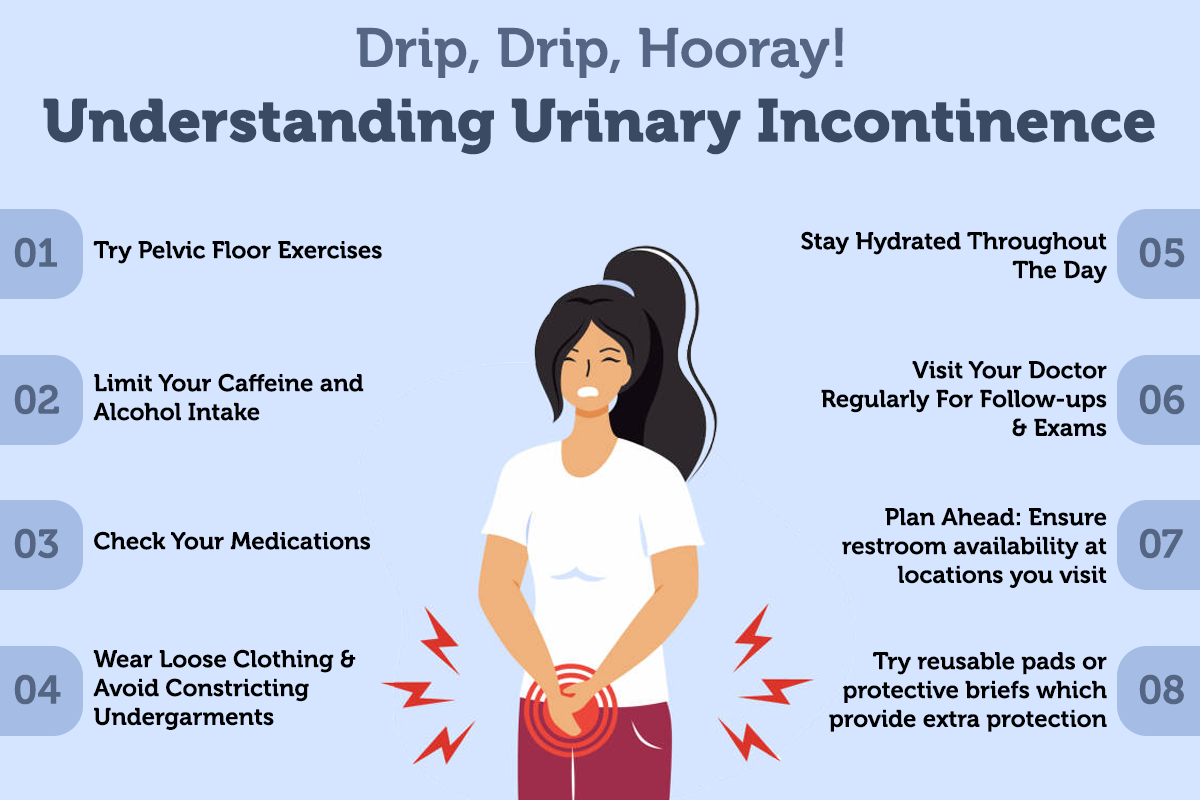
What Are Some Pregnancy Urinary Incontinence Therapies?
Information on each research study was extracted in a standardized information extraction form, based on the Cochrane Public Wellness Information Extraction and Assessment template [18] To evaluate the threat of prejudice, the Joanna Briggs crucial appraisal device for studies reporting prevalence data was used [19, 20] The checklist consists of nine concerns, with the response alternatives yes, no, vague or not suitable. Total risk of research predisposition was rated as low (defined as 8-- 9 requirements answered as 'yes'), moderate (4-- 7 requirements answered as 'yes') or high threat (≤ 3 standards answered as 'yes'). The feedback choice not appropriate (sometimes scored in criteria 5) was considered to be a 'yes'. Thick irregular elastin-rich connective tissue called endopelvic fascia protects organs/muscles in optimal alignment. However, there are points you can do to help manage it during your pregnancy. With the right info and assistance, you can reduce or quit bladder leakages. Naturally, there might be added issues or health issues that call for medical aid.- You might require to continue doing Kegel exercises for the remainder of your life.
- Weak or improperly collaborated muscular tissues can hinder bladder control, causing leak during day-to-day activities.
- The stress produced by pressing are 3 times higher than the tissues would typically tolerate for any kind of prolonged time.
- The large bulk of ladies that give birth do not develop urinary incontinence.
Exactly How Pivot Health And Wellness Can Help You
This is why females that are expecting usually have moderate urinary system incontinence during pregnancy. During a very first maternity, greater than one-third of females create momentary anxiety incontinence. During succeeding maternities, more than 3 quarters create this trouble. Nonetheless, most of the ladies who have urinary incontinence during pregnancy go back to full continence after delivery as the tissues of the birth canal recover. Only regarding 5% of these females still have anxiety incontinence a year after the shipment. Virtually fifty percent of all females who have a vaginal delivery program immediate recuperation of the nerves' capability to carry messages to the pelvic muscular tissues, and 60% will certainly have full resolution within two months. Nonetheless, in some ladies, the injured cells does not recover 100% of pre-labor stamina. For them, the likelihood of urinary incontinence and the discomfort of pelvic prolapse establishing later on in life are much more common. Problems throughout labor and childbirth, especially genital birth, can damage pelvic floor muscular tissues and damage the nerves that manage the bladder. The majority of problems with bladder control that occur as a result of labor and shipment disappear after the muscle mass have had time to recover. If you're still having bladder issues 6 weeks after childbirth, speak to your medical professional, registered nurse, or midwife. If injury results from a shipment, the damaged support of the bladder, rectum or womb might create going down of these organs into the vaginal canal. Dropping of any of these body organs is called pelvic leisure, or prolapse. The muscular tissues and supporting cells that are over the vaginal area which hold the bladder up are deteriorated or torn, allowing the bladder to fall into the vaginal canal. This bulging of the bladder right into the vagina is called bladder prolapse, or a cystocele (see fig 1). As you begin to feel less tender, begin with mild pelvic flooring releases and tightenings. Mild, constant breathing exercises will boost sychronisation and link to the location. Your physician or nurse might ask you to maintain a journal for 2 to 3 days to track when you vacant your bladder or leak pee.